
How do we balance cultural diversity with gender equality in liberal democracies? This article explores Sarah Song’s analysis of the tension between multiculturalism and gender equality, showing how multicultural policies that protect cultural rights can sometimes unintentionally uphold gender inequality within minority groups. Song argues for a more context-sensitive approach but warns against tolerating harmful traditions simply because they are seen as part of a cultural identity.
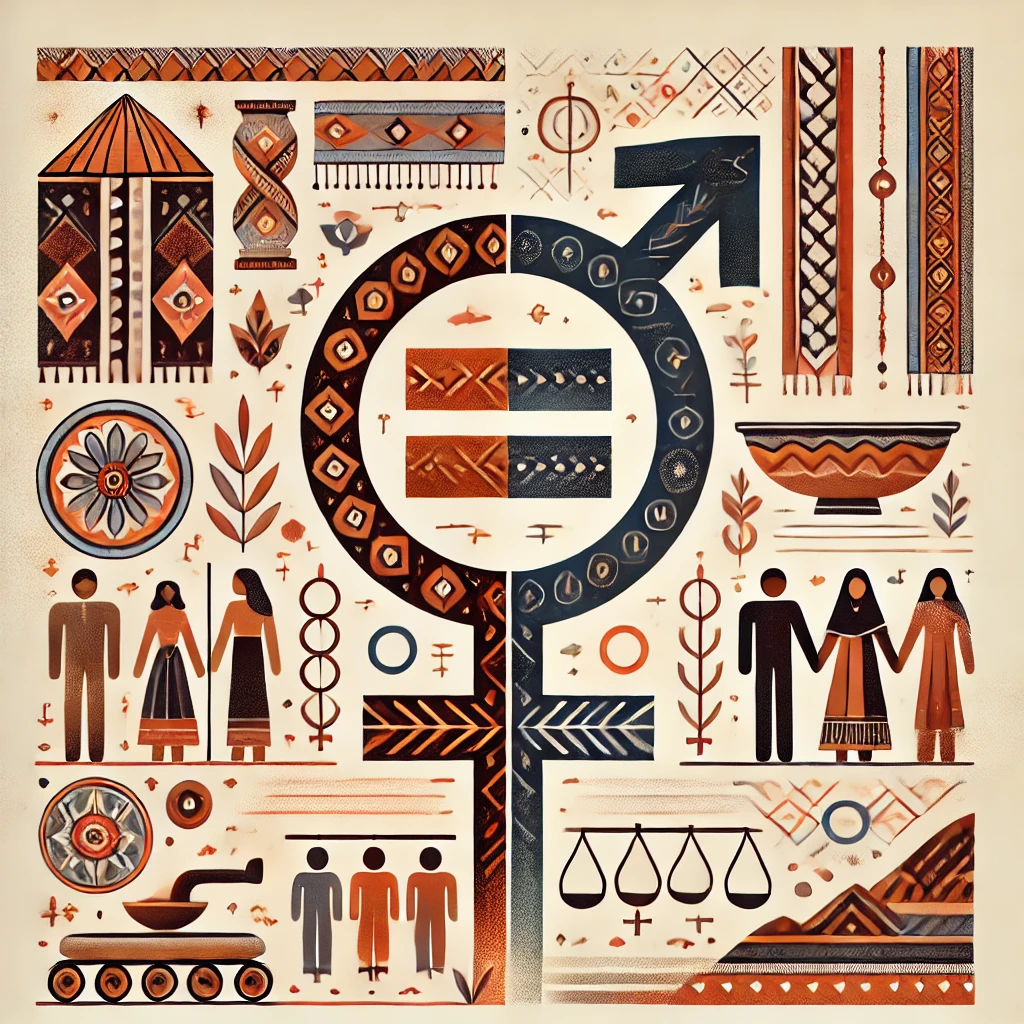

The article by Sarah Song, titled "Majority Norms, Multiculturalism, and Gender Equality" (2005), explores the tensions between multiculturalism and gender equality in liberal democratic societies. Song presents a nuanced analysis of how the cultural norms of the majority can inadvertently undermine gender equality within minority groups, particularly when cultural diversity is prioritized over universal human rights. While multiculturalism is celebrated for fostering tolerance and diversity, Song contends that it can also perpetuate harmful gender norms, thereby hindering the advancement of women's rights.
In her examination, Song discusses the inherent challenges of balancing competing values in liberal democracies, where cultural accommodation often conflicts with the promotion of gender equality. Though recognizing cultural diversity is a significant advantage of multiculturalism, she argues that it can also allow for the continuation of entrenched gender inequalities, particularly when certain practices, such as forced marriage or female genital mutilation, are justified as part of a group's cultural identity. These practices, Song asserts, can limit women's autonomy and choices, reinforcing patriarchal structures within minority communities.
A key argument in Song’s work is the need to critically examine cultural norms that perpetuate gender inequity, even within minority groups. She asserts that liberal democratic states must confront the paradox of respecting minority cultural rights while promoting gender equality. This is particularly difficult in societies that become increasingly diverse, where the demand for cultural accommodation may sometimes clash with the goal of universal human rights.
Song advocates for a context-sensitive approach to these issues, suggesting that cultural practices should be assessed based on their impact on gender equality and human rights. While understanding the historical and social context of such practices is important, I disagree with the idea that cultural context should justify harmful practices. In cases such as forced marriage or wife-beating, cultural context should not obscure the need for legal intervention and condemnation of these practices as human rights violations.
Ultimately, Song’s article provides a nuanced analysis of the complex interplay between multiculturalism and gender equality. It challenges the notion that the two are always compatible and urges policymakers to consider the potential harm that can result from prioritizing cultural rights over gender equality. Her work offers valuable insights for understanding the difficulties of advancing women’s rights in multicultural societies.
BIBLIOGRAPHY
- SONG S. Majority Norms, Multiculturalism, and Gender Equality. American Political Science Review. 2005;99(4):473-489.
https://www.cambridge.org